
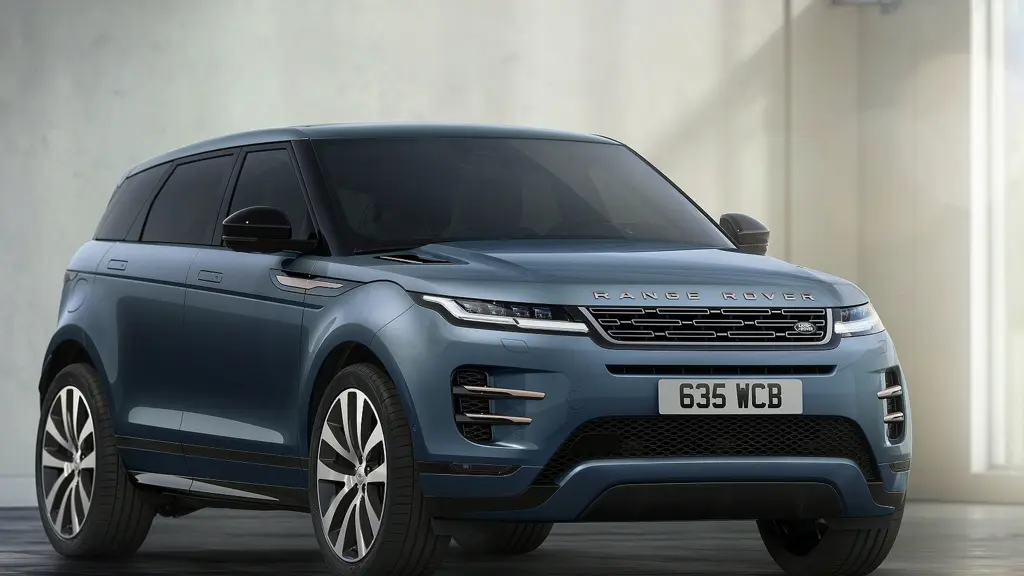
Land Rover Range Rover Evoque 1.5 P160 Hoxton Edition Black 5dr 2WD Auto
- Automatic
- Petrol
- 35.2 mpg
- 5 door suv
- 182 g/km CO2
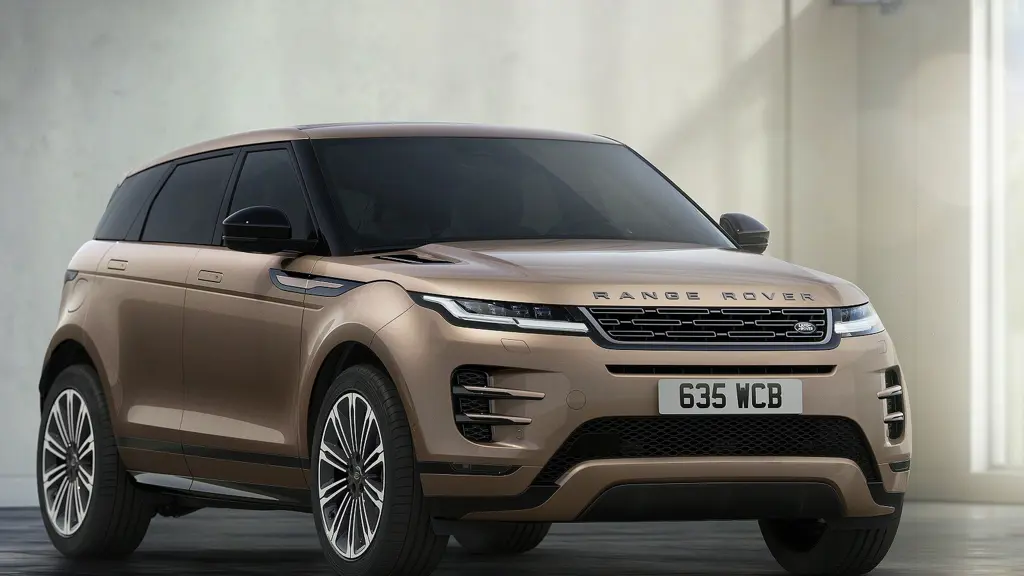
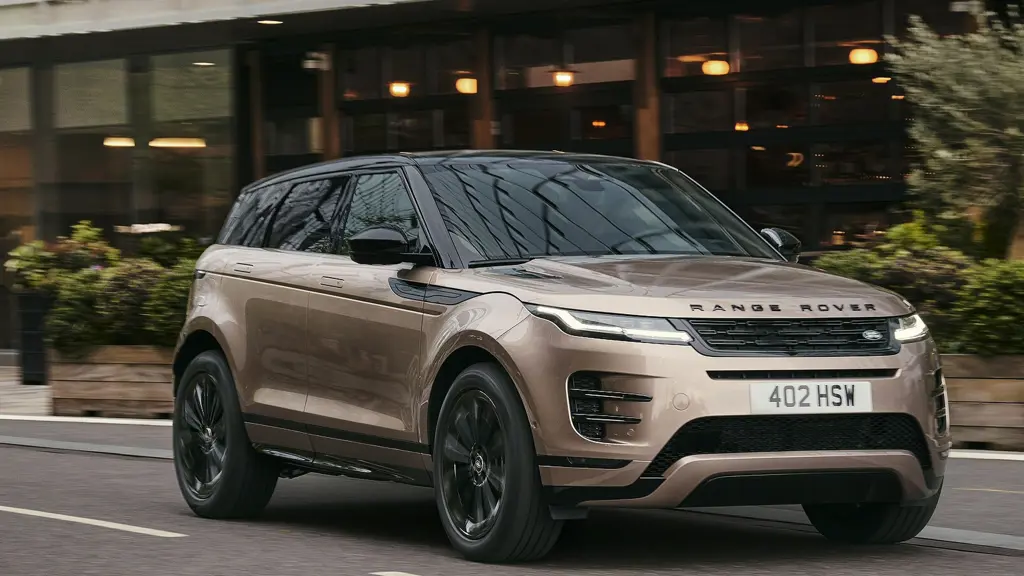
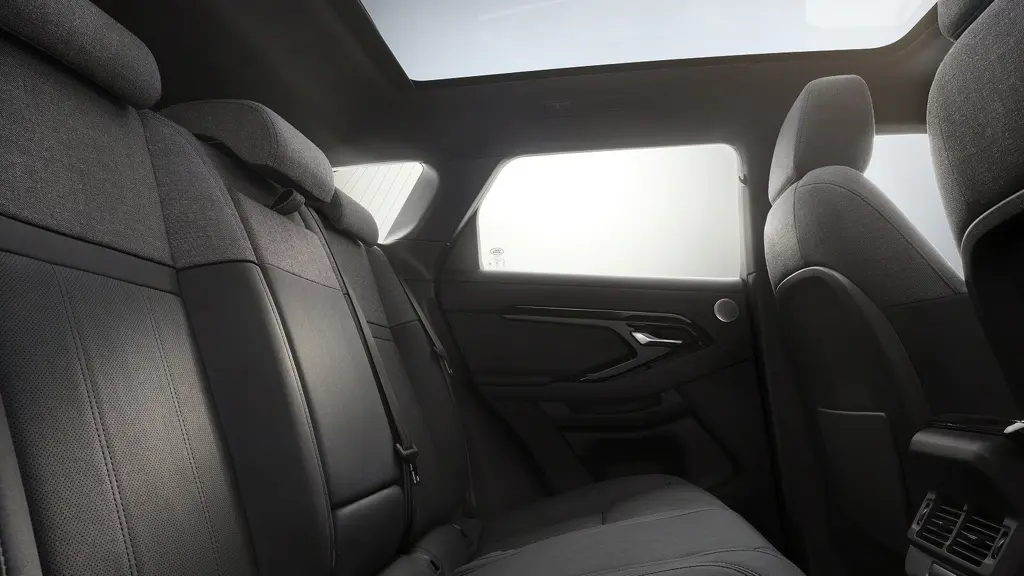
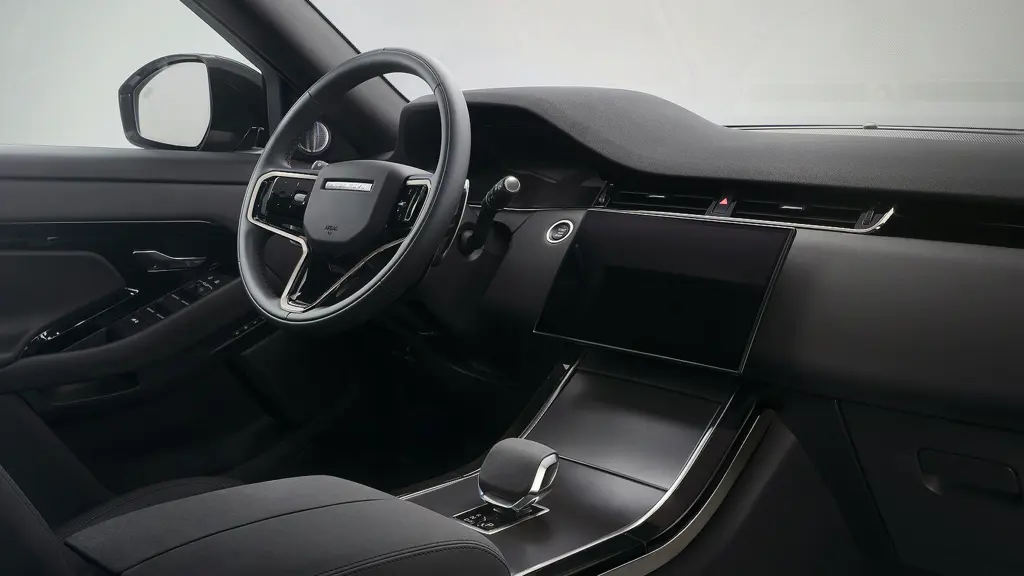
Images shown are for illustration purposes only
-
182 g/km CO2 emissions
-
35.2 mpg Fuel efficiency
-
9.7 secs 0 to 60 mph
-
160 bhp Engine power
Ten Second Review
How do you right a best seller? That was Land Rover's problem when it came to creating the second generation version of its runaway success story, the Range Rover Evoque, a car first launched in 2019 and a model that used to account for a third of the brand's total sales. It's a fashionable, yet capable proposition that has fundamentally changed the premium mid-sized SUV market and rivals today have to contend with an evolved version that features an efficient range of diesel and petrol engines, including electrified and mild hybrid technology. Plus there's smart styling, decent interior space, useful off road ability and sharp handling thanks to the stiff 'PTA' platform. As a result, if you want a premium compact SUV of this kind, this still needs to be on your list.
Background
It's getting on for half a century since all-wheel driving was revolutionised by the Range Rover, a car now a class apart in the luxury 4x4 sector. But what would that model look like re-invented in smaller form for very different Millennial times, an age in which fashion and frugality are as important as toughness and traction? Something like this we think, the Range Rover Evoque, which was rejuvenated in this second generation form. Like its predecessor, this MK21 model set out to meet a daunting set of challenges, aiming to provide luxurious room for four in a shape shorter than a Ford Focus. Along with handling as satisfying as a sports coupe. And economy that might allow green-minded versions to rival the returns of a citycar. All to be delivered with class-leading off road expertise. In a car right for its times. Quite a build-up. Quite a car? Let's find out.
Driving Experience
The Evoque range is primarily focused on Ingenium four-cylinder units. All versions of this model, regardless of whether they're diesel or petrol, will have a 48-volt mild hybrid system equipped with an 8Ah lithium-ion battery. The base petrol derivative produces 160hp (P160), while the diesels develop 163hp (D165) and 204hp (D200). All models will come with the brand's nine-speed automatic. A less powerful three-cylinder 1.5-litre turbo petrol powerplant features in the alternative P300e PHEV petrol model mated to an eight-speed auto gearbox. This plug-in hybrid variant's engine puts out 197bhp, its efforts further aided by a 107bhp electric motor mounted on the rear axle which delivers AWD capability and creates a total system output of 296bhp, with 540Nm of torque. The electric motor is powered by a 15kWh lithium-ion rechargeable battery pack and goes up to 37.9 miles between charges. As before, all but the base P160 petrol Evoque model will come with 4WD, an AWD set-up which features a 'driveline disconnect' feature which will see the car default to a front-driven configuration unless a loss of traction dictates otherwise. An 'Active Driveline' system will be optionally available, which uses a rear-mounted double-clutch which offers torque vectoring on the rear axle to aid corner turn-in. Off-road ability is enhanced with the fitment of 'Terrain Response 2' tech from the larger range Rover that analyses the road surface and adjusts the transmission to suit. Wading depth is up 100mm to 600mm too.
Design and Build
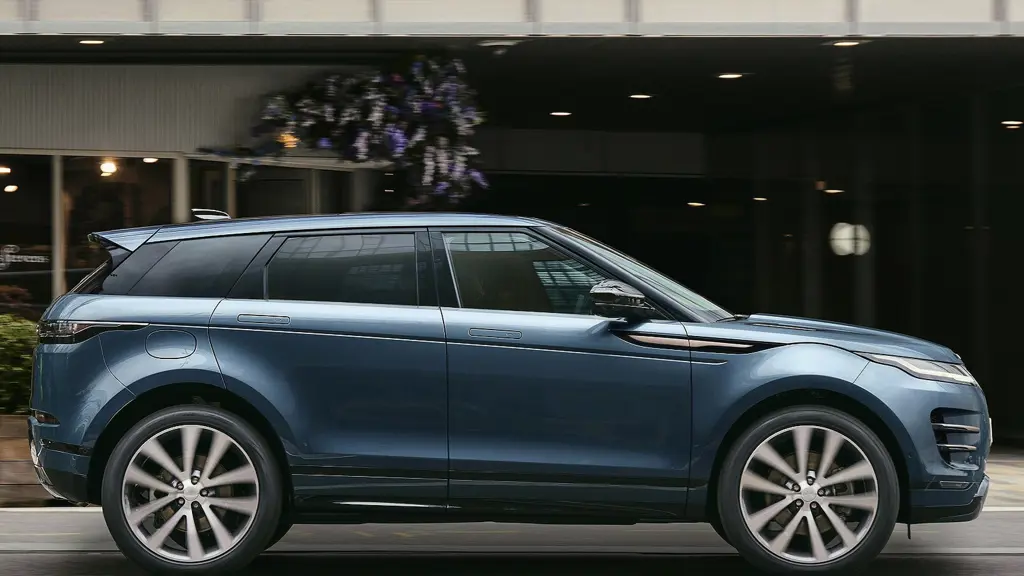
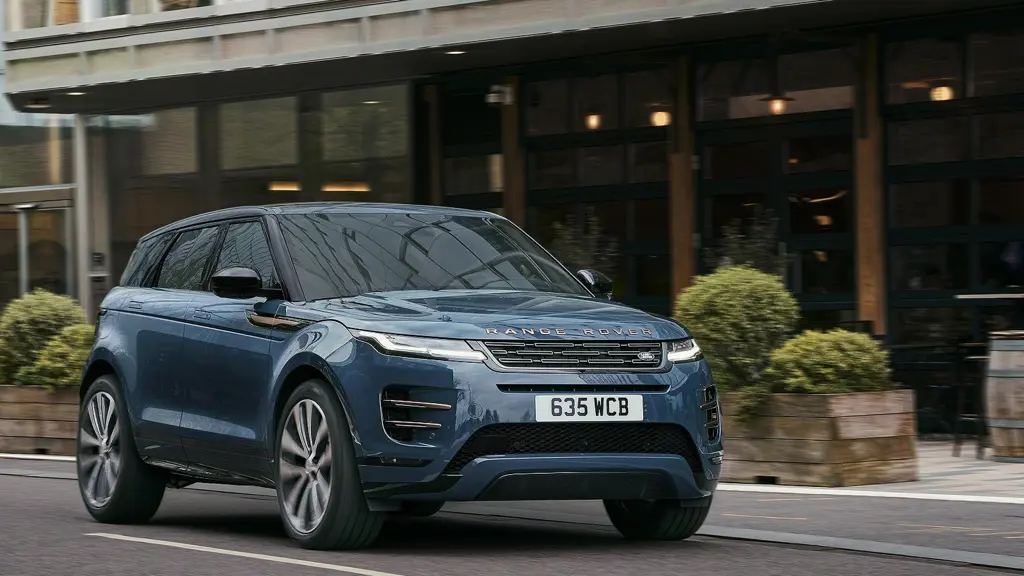
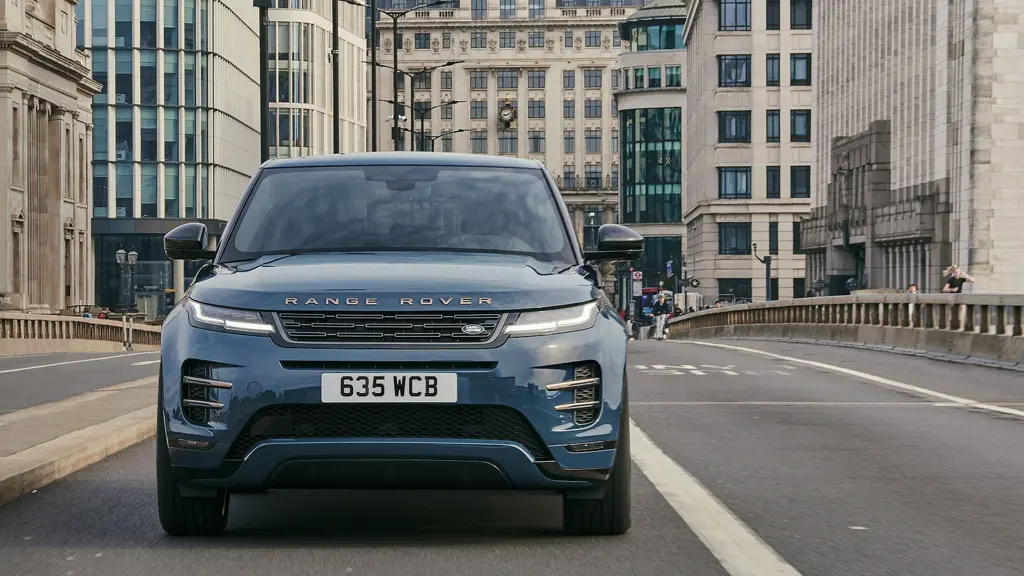
Land Rover needed to keep the Evoque looking contemporary without diluting its inherent appeal. This time round, the range is focused on the five-door body style that the majority of buyers of the earlier MK1 model chose. The Evoque's highly desirable design is a hallmark of this luxurious mid-sized SUV. For that reason, certain key elements, like the way that the clamshell bonnet is interrupted by bulging front wheel arches, and the ultra-slim rear glass area, have been retained. From the side though, there's a much cleaner look, with flush door handles borrowed from the Velar and smoother surfacing on the doors. Of course, what's more important is the stuff you can't see: Land Rover says that 90% of the body components are new, partly because this second generation Evoque was the first Jaguar Land Rover group model to be based upon the company's completely new 'Premium Transverse Architecture'. Inside, the cabin has been influenced by the brand's larger Velar, hence the introduction of a 12.3-inch digital instrument panel and, on plusher versions, the option of a pair of centre-dash 10-inch 'Touch Pro Duo' screens. The new 'PTA' platform has extended the Evoque's wheelbase, so though the new model is actually a few millimetres shorter than its predecessor, it has better cabin packaging. You should notice this on the rear seat. Plus in the boot, where capacity has risen 10% to 591-litres - enough, Land Rover reckons, for a full set of golf clubs or a folded pram. With the second row folded down, there's 1,383-litres on offer.
Market and Model
Pricing now start from just under £45,000. There are three main trim levels - 'Dynamic S', 'Hoxton Edition Black' and 'Autobiography'. It all means that it's now possible to pay up to £60,000 for an Evoque. You can specify a Head-up display. Plus Android Auto and Apple CarPlay smartphone mirroring at last make an appearance. All variants get LED auto headlights, rain-sensing wipers, 19-inch alloy wheels, ambient cabin lighting, dual-zone climate control, and a heated windscreen. Even base 'Dynamic S'-spec gives you perforated leather, electrically adjustable front seats, an infotainment system with Android Auto and Apple CarPlay, auto dimming on the side mirrors and rear-view mirror, and traffic sign recognition with an adaptive speed limiter. Other standard 'Dynamic S' features include a 12-way-adjustable driver's seat with memory settings, a 10-way adjustable front passenger seat, an interactive driver instrument display, keyless entry, a 3D surround camera and the brand's 'Cabin Air Purification Plus' system. Top 'Autobiography' trim gives you 20-inch wheels, a panoraic roof, Extended Windsor leather upholstery, a power-adjustable steering coloumn, a 'ClearSight' digital rear view mirror, a Meridian Surround Sound System and Pixel LED headlights.
Cost of Ownership
This MK2 Evoque's 'Premium Transverse Architecture' platform has allowed Jaguar Land Rover's smaller models to become more technologically sophisticated, particularly in terms of powertrain electrification. Land Rover reckons that a front-driven P160 petrol model can return up to 43.6mpg on the combined cycle and 170g/km. As for the 4WD versions, well both the D165 and the D200 manage 43.6mpg and 170g/km. The P300e PHEV petrol plug-in model can offer an electric driving range of up to 37.9 miles, with CO2 emissions of just 32g/km and up to 196.4mpg on the combined cycle. Charging from a 7kW garage AC wallbox can be done from 0-80% in 1 hour and 24 minutes. A three-year, unlimited mileage warranty comes with this model, with further extensions available if you want them. There's also an 'InControl Protect' service that allows you to monitor vital stats on your car from your smartphone and will guide the breakdown services to your Evoque should it ever have a problem. Also included is European cover and a promise to get you on your way as soon as possible in your own car or in a loan vehicle if the required repair will take longer than four hours.
Summary
Land Rover has spent its money wisely with this second generation Evoque. This car has become quite expensive. But it's also become significantly more economical and capable, both on road and off. Just about the only thing that can really sink this model is for it to go horribly out of fashion. That doesn't look like happening any time soon, but just in case, Land Rover has concentrated on substance over style with this MK2 model. In doing so, the brand hopes to have future-proofed its biggest money-spinner. In summary then, the Evoque remains arguably the only car in the premium compact SUV segment with a conceivable appeal to lifestyle buyers not necessarily searching for a premium mid-sized SUV - and that says a lot. If you are in the market for something of this kind, can stretch to the (now quite high) asking price and can afford not to place too much of a premium on practicality, then you probably won't be disappointed.
- 3D 360 degree surround camera with wade sensing
- Adaptive cruise control
- Blind spot assist
- Driver attention monitoring system
- Driver condition monitor
- Eco mode
- Electronic power assisted steering (EPAS)
- Front and rear parking sensors with auto brake
- Lane keep assist
- Rear collision monitor
- Rear traffic monitor
- Traffic sign recognition with adaptive speed limiter
- Digital Audio Broadcast radio-DAB
- Steering wheel mounted controls
- Flush deployable exterior door handles
- Front and rear recovery eyes
- Hoxton Edition exterior lower door sill badge
- Rear side wing doors
- Tailgate spoiler
- Bright metal pedals
- Customer configurable single point entry
- Front and rear cupholders
- Grained Leather upholstery
- Heated steering wheel
- Hoxton Edition illuminated metal front with script and metal rear treadplates
- Manually adjustable steering column
- Overhead stowage for sunglasses
- Satin chrome gearshift paddles
- Standard steering wheel with Moonlight Bezel
- Twin sliding front centre armrest
- Black exterior package - Evoque
- Power socket pack 2 - Evoque
- 3 rear 3 point seatbelts
- Customer configurable autolock
- Front and rear seatbelt reminder
- Occupant protection assist
- Passenger seat occupant detector
- Power operated child locks
- Six airbags - Driver and passenger airbags/driver knee airbag/front side airbag and curtain airbags
- Tyre pressure monitoring system
- Alarm
- Immobiliser
- Intrusion sensor
- Keyless entry
- Locking wheel nuts
- HC+NOx: N
- Particles: N
- Standard Emissions: EURO 6
- WLTP - CO2 (g/km) - Comb: 182
- WLTP - CO2 (g/km) - Comb - TEH: 183
- Camshaft: DOHC
- Catalytic Convertor: True
- CC: 1498
- Compression Ratio: 10.5:1
- Cylinder Layout: IN-LINE
- Cylinders: 3
- Cylinders - Bore (mm): 83
- Cylinders - Stroke (mm): 92.3
- Engine Layout: FRONT TRANSVERSE
- Fuel Delivery: TURBO DIRECT INJECTION
- Gears: 8 SPEED
- Number of Valves: 12
- Transmission: AUTO
- EC Directive 1999/100/EC Applies: False
- WLTP - FC (l/100km) - Comb: 8
- WLTP - FC (l/100km) - Comb - TEH: 8.1
- WLTP - MPG - Comb: 35.2
- WLTP - MPG - Comb - TEH: 34.9
- Alternative Fuel Qualifying: False
- Badge Engine CC: 1.5
- Badge Power: 160
- Based On ID: N
- Coin Description: P160 2WD
- Coin Series: Hoxton Edition Black
- Generation Mark: 2
- Man Corrosion Perforation Guarantee - Years: 6
- Manufacturers Paintwork Guarantee - Years: 3
- Safety Concerns: False
- Service Interval Frequency - Months: 24
- Service Interval Mileage: 21000
- Special Edition: False
- Special Order: False
- Standard manufacturers warranty - Mileage: 999999
- Standard manufacturers warranty - Years: 3
- Vehicle Homologation Class: M1
- 0 to 60 mph (secs): 9.7
- Engine Power - BHP: 160
- Engine Power - KW: 118
- Engine Power - PS: True
- Engine Power - RPM: 5000
- Engine Torque - LBS.FT: 192
- Engine Torque - MKG: 26.5
- Engine Torque - NM: 260
- Engine Torque - RPM: 1600
- Top Speed: 124
- Emissions Test Cycle: WLTP
- RDE Certification Level: RDE 2
- Alloys: True
- Space Saver: False
- Tyre Size Front: 235/50 R20
- Tyre Size Rear: 235/50 R20
- Tyre Size Spare: N
- Wheel Style: STYLE 5089
- Wheel Type: 20" ALLOY
- Height: 1649
- Height (including roof rails): N
- Length: 4371
- Wheelbase: 2681
- Width: 1904
- Width (including mirrors): 2100
- Fuel Tank Capacity (Litres): 67
- Gross Vehicle Weight: 2300
- Luggage Capacity (Seats Down): 1156
- Luggage Capacity (Seats Up): 472
- Max. Loading Weight: 583
- Max. Roof Load: 75
- Max. Towing Weight - Braked: N
- Max. Towing Weight - Unbraked: N
- Minimum Kerbweight: 1717
- No. of Seats: 5
- Turning Circle - Kerb to Kerb: 11.6